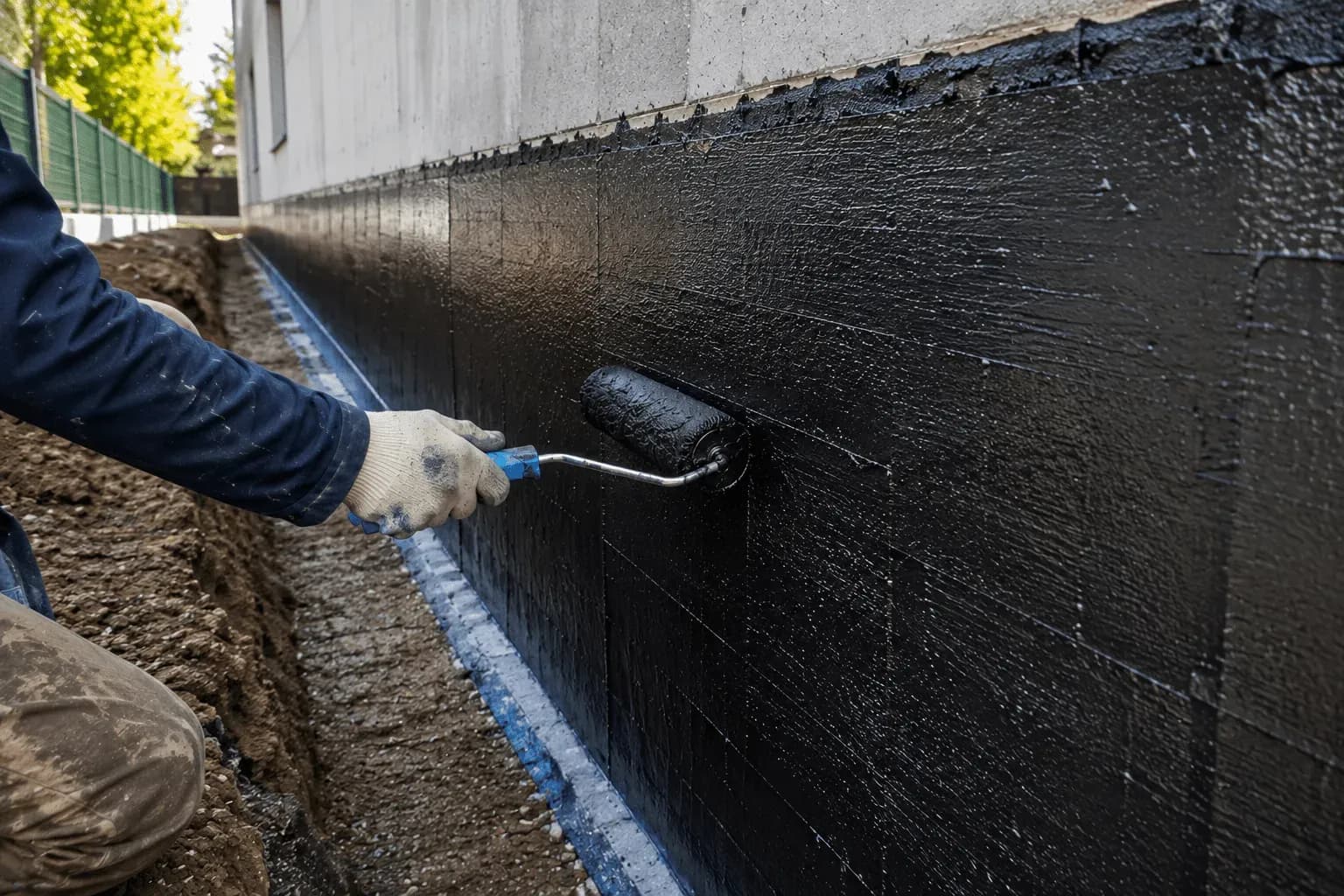
Why External Walls Leak in Singapore
External walls are constantly exposed to sun, rain and wind. In Singapore, the combination of intense UV and heavy, wind-driven rain is particularly punishing. Over time, walls develop hairline cracks, sealants degrade, and rendering becomes porous.
When water penetrates the external wall, it travels inward. You may see damp patches on interior walls, peeling paint, mould growth, or even concrete spalling. Fixing the interior is pointless — the water is entering from outside.
This guide explains why external walls leak and how professional waterproofing solves the problem.
Common Causes of External Wall Seepage
1. Hairline Cracks
Thermal movement causes concrete and rendering to expand and contract. Over time, this creates fine cracks that let water in. These cracks may be invisible from the ground but are enough to cause dampness inside.
2. Degraded Sealant
Sealant around window frames, expansion joints and precast panel joints has a lifespan of 5–10 years. When it hardens, cracks or pulls away, water enters directly.
3. Porous Rendering
External rendering is naturally porous. Without a water-repellent coating, it absorbs rainwater like a sponge. Over time, the water reaches the concrete behind.
4. Spalling Concrete
When water reaches steel reinforcement, the rebar rusts and expands, forcing concrete to crack and fall away. This is a serious structural issue.
5. Poor Drainage Details
Ledges, window sills and parapets that do not shed water properly allow it to pool and seep into the wall.
Methods of External Wall Waterproofing
1. Elastomeric Wall Coating
A flexible, breathable coating that seals hairline cracks and repels water. It is applied like paint but forms a much thicker, rubber-like film.
Best for: Most external walls, especially those with fine cracks.
2. Crack Sealing & Patching
Larger cracks are routed out and filled with flexible sealant or repair mortar before coating. This prevents the crack from reopening.
Best for: Visible cracks and damaged areas.
3. Cementitious Rendering
Damaged or hollow rendering is removed and replaced with waterproof render. This restores the wall surface and provides a sound base for coating.
Best for: Spalled or eroded walls.
4. Silicone & Water-Repellent Treatment
Invisible penetrating treatments that soak into the masonry and make it water-repellent while still allowing it to breathe. They do not change the appearance of the wall.
Best for: Preserving original facade appearance.
5. Joint & Expansion Gap Sealing
Old sealant is removed and replaced with new, high-performance sealant. This is critical at window frames, expansion joints and panel interfaces.
Best for: Joints and interfaces.
6. Anti-Fungus & Algae Wash
Before any waterproofing, the wall must be washed to remove mould, algae and dirt. If these are not removed, the new coating will peel.
Best for: All external walls, especially in damp areas.
Rope Access vs. Scaffolding
For high-rise buildings, reaching the external wall is a major cost. Scaffolding is expensive to erect, takes time, and disrupts residents. Rope access is a faster and more economical alternative.
IRATA-certified rope access technicians can inspect, repair and coat external walls without scaffolding. They carry out the same work safely and at a fraction of the cost.
The Waterproofing Process
- Inspection: Survey the wall, identify cracks and trace seepage paths.
- Cleaning: Wash the wall and treat mould and algae.
- Crack repair: Route and seal all cracks.
- Priming: Apply primer to improve adhesion.
- Coating: Apply elastomeric or cementitious waterproof coating in the specified number of coats.
- Inspection: Check film thickness and coverage.
- Handover: Provide warranty documentation.
Maintenance Tips
- Inspect walls annually for new cracks
- Clean walls every 1–2 years to remove dirt and algae
- Reapply water-repellent treatment every 5–7 years
- Repair sealant joints as soon as they show signs of failure
Cost of External Wall Waterproofing in Singapore
Costs depend on the wall area, accessibility and system. As a rough guide:
- Elastomeric coating: $4 – $8 per square foot
- Crack repair: $50 – $150 per metre
- Sealant replacement: $8 – $15 per metre
- Rope access surcharge: $1,000 – $3,000 per project
Always get a fixed quotation after a site survey.
Final Thoughts
External wall waterproofing is essential in Singapore. It stops water from entering your home, protects the structure, and prevents mould and damp. The key is proper preparation and using the right system for your wall type.
BH Supply Pte Ltd provides external wall waterproofing for HDB, condo and landed properties across Singapore. We use certified rope access crews for high-rise work. Call or WhatsApp 8588 9230 for a free inspection.